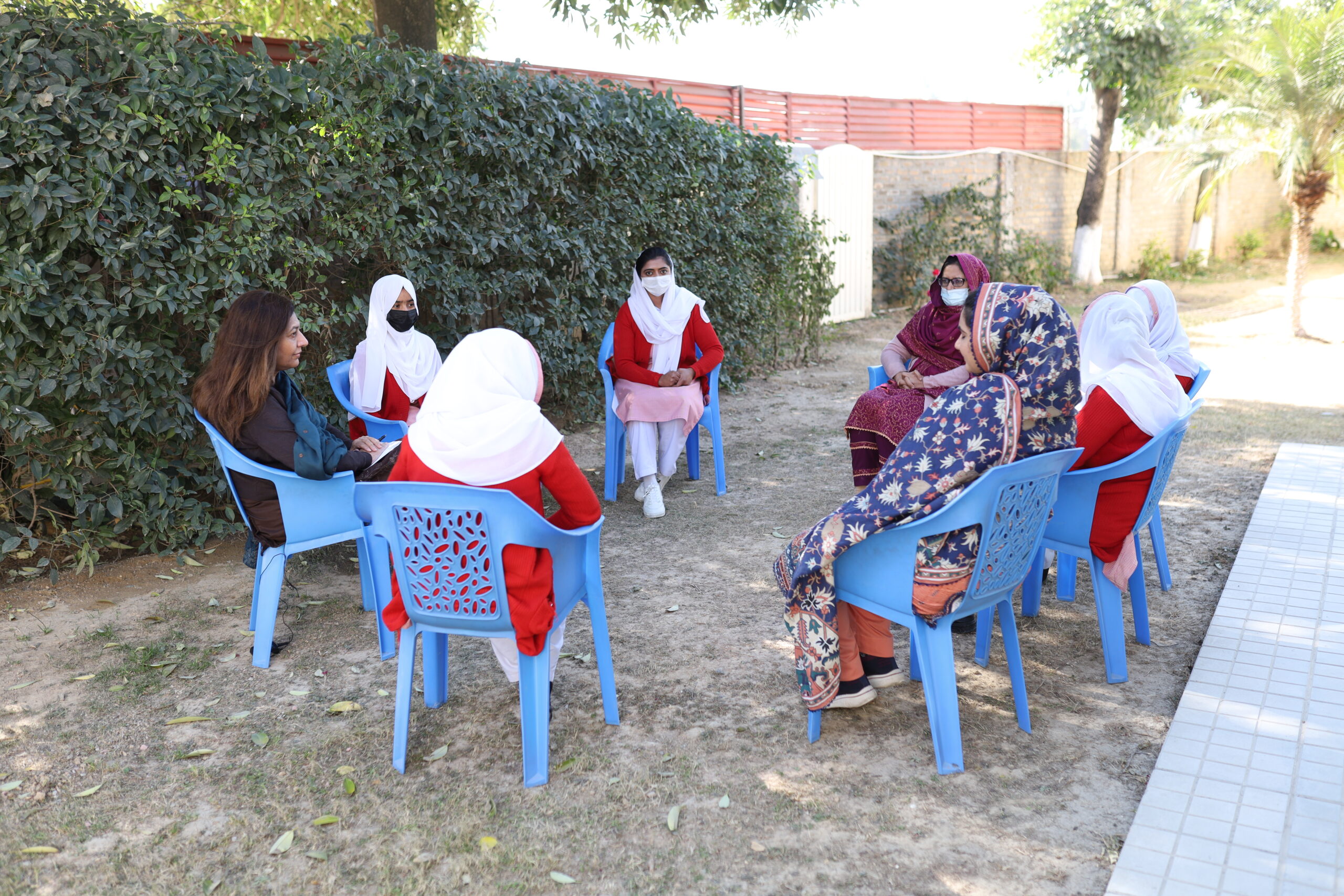
Over 30,000 women across Tanzania, Nigeria and Pakistan have participated in the I’M WOMAN Trial in just over two years.
This International Clinical Trials Day, we share how clinical trialists, researchers and the women who participated contributed to this milestone.
The study has now expanded to include 40,000 participants, with a further 10,000 women expected to enrol.
This expansion aims to strengthen the certainty of the trial’s final evidence on whether intramuscular tranexamic acid is as effective as intravenous administration.
This is one of the largest trials of its kind to focus on improving maternal health outcomes in countries with some of the highest maternal death rates.
The I’M WOMAN Trial is assessing whether injecting TXA into a muscle just before childbirth (IM TXA) can reduce postpartum haemorrhage (PPH) as effectively as administering it into a vein (IV TXA). IV TXA is currently the only method clinicians use to treat severe bleeding.
Previous WOMAN Trials have all focused on the effect of tranexamic on bleeding to reduce PPH-related deaths.
Tranexamic acid works quickly to reduce bleeding, but women can become seriously unwell once they start to lose blood, especially if they have anaemia.
WOMAN-2 Trial expert Professor Haleema Shakur-Still said giving TXA earlier – at the time of birth – may be more effective as clinicians need to act fast to stop bleeding becoming life-threatening.
If proven successful, IM TXA could provide a simpler, faster and more cost-effective route of administration for women in communities where fewer healthcare workers are trained to give IV TXA.