How the I’M WOMAN Trial recruited 30,000 pregnant women

How the I’M WOMAN Trial recruited 30,000 pregnant women

Over 30,000 women across Tanzania, Nigeria and Pakistan have participated in the I’M WOMAN Trial in just over two years.

This International Clinical Trials Day, we share how clinical trialists, researchers and the women who participated contributed to this milestone.

The study has now expanded to include 40,000 participants, with a further 10,000 women expected to enrol.

This expansion aims to strengthen the certainty of the trial’s final evidence on whether intramuscular tranexamic acid is as effective as intravenous administration.

This is one of the largest trials of its kind to focus on improving maternal health outcomes in countries with some of the highest maternal death rates.

The I’M WOMAN Trial is assessing whether injecting TXA into a muscle just before childbirth (IM TXA) can reduce postpartum haemorrhage (PPH) as effectively as administering it into a vein (IV TXA). IV TXA is currently the only method clinicians use to treat severe bleeding.

Previous WOMAN Trials have all focused on the effect of tranexamic on bleeding to reduce PPH-related deaths.

Tranexamic acid works quickly to reduce bleeding, but women can become seriously unwell once they start to lose blood, especially if they have anaemia.

WOMAN-2 Trial expert Professor Haleema Shakur-Still said giving TXA earlier – at the time of birth – may be more effective as clinicians need to act fast to stop bleeding becoming life-threatening.

If proven successful, IM TXA could provide a simpler, faster and more cost-effective route of administration for women in communities where fewer healthcare workers are trained to give IV TXA.

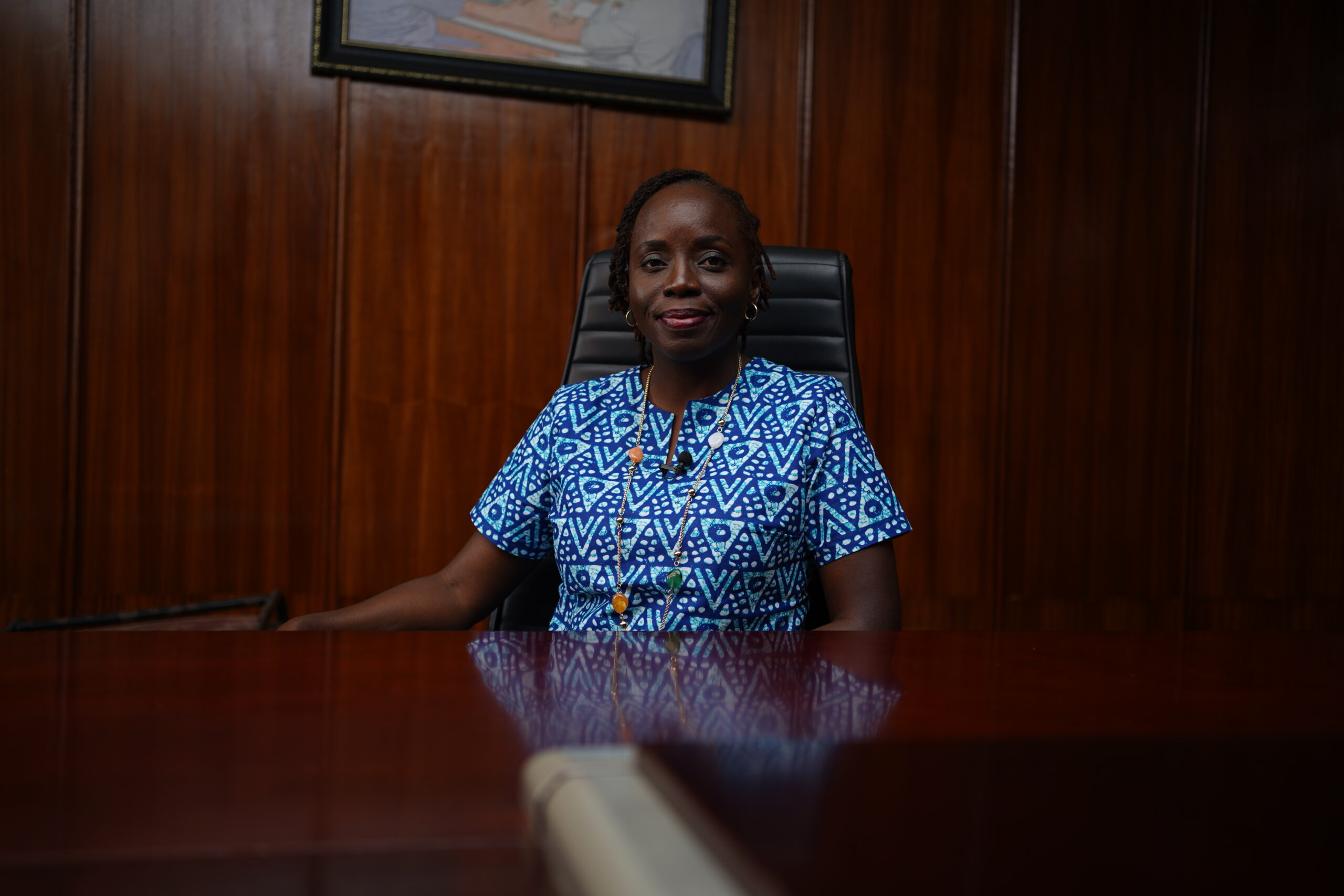
Professor Nike Bello

One of the clinicians leading the trial is Professor Nike Bello, Co-Head of the WOMAN Trials in Nigeria.

Bello says the trial’s recruitment in Nigeria “has only been possible because the trial is fully embedded within routine maternity care, supported by highly coordinated teams on the ground.”

“We’re not just collecting data – we’re changing what’s possible in our countries.

“Where a woman lives should not determine whether she survives childbirth.”

Across all three countries, recruitment takes place around the clock in participating sites.

Professor Projestine Muganyizi, Head of the WOMAN Trials in Tanzania, said women are recruited quickly as they receive information [about the trial] early. They are approached when there is more time to explain the study clearly, such as before planned caesarean sections.

“Participants’ questions are addressed to ensure full understanding before voluntary participation is confirmed.

 “Our success comes from strong collaboration between hospital teams in Tanzania, researchers, participants, and national and international partners. We work together across carefully selected high-volume hospitals that care for women giving birth.”

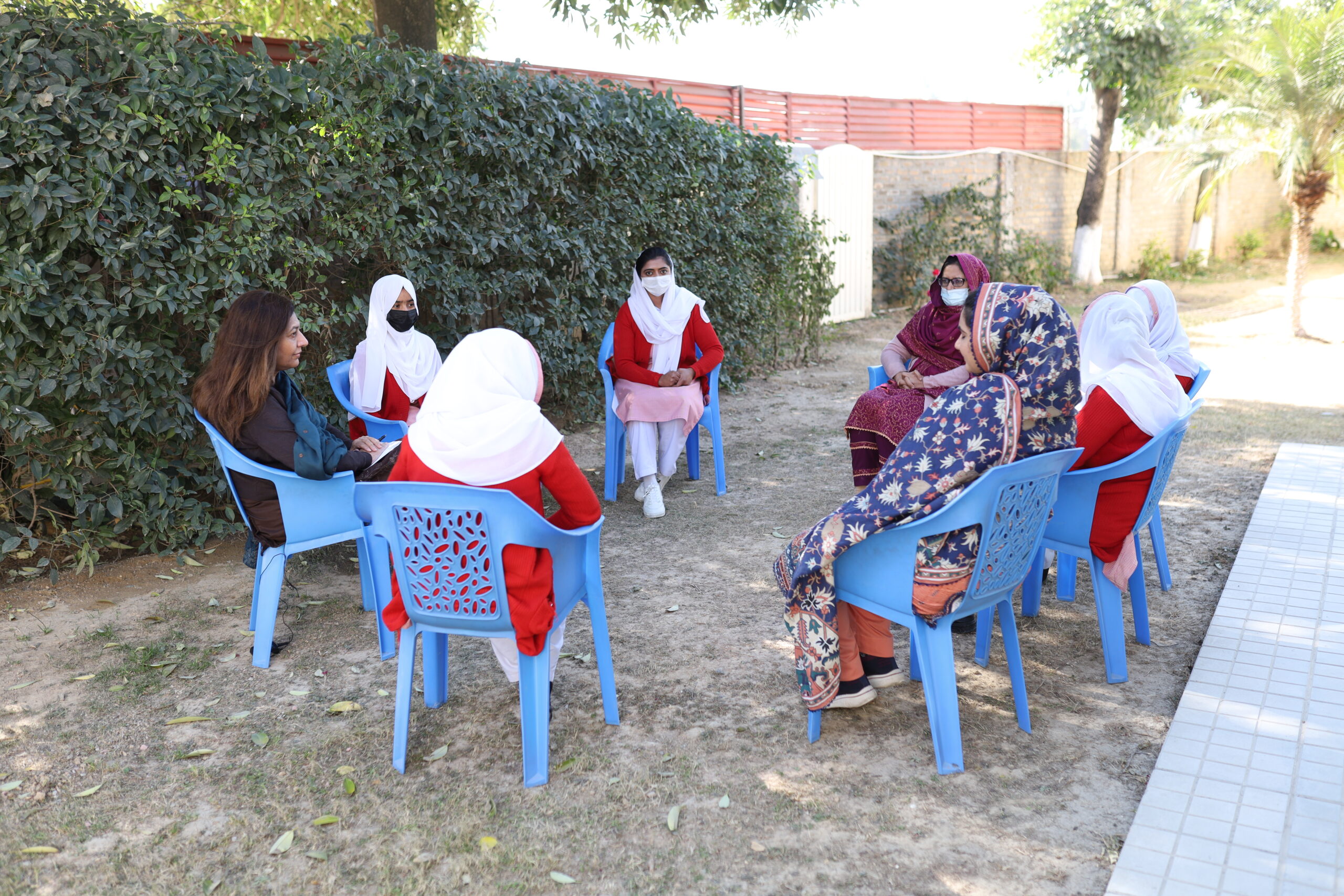
Dr Aasia Kayani speaks with research fellows in Pakistan.

Aasia Kayani (pictured left), Assistant Professor, and part of the Pakistan National Coordinating Centre for the trial said: “The fact that thousands of women have participated shows how well we coordinate as a team.

“All of our participating hospital staff give consistent effort and ensure patients understand the trial procedure. We have a commitment to providing excellent and ethical care, so female patients are treated with professionalism and compassion. 

“Our work is crucial because many maternal deaths from obstetric haemorrhage are preventable with timely, affordable access to tranexamic acid (TXA).”

I'M WOMAN Trial participant Oluwatoyin Akinelu, Nigeria.

Some I’M WOMAN Trial participants like Oluwatoyin Akinelu in Nigeria are informed about the trial before going into theatre for a caesarean section.

Oluwatoyin said: “I would encourage women to get involved in this study.

“At least they can enlighten others about this drug [tranexamic acid] since bleeding can lead to death if it’s not well managed.”

Dr Judith Lieber TRANSFORM project lead and Research Fellow at LSHTM said: “The hard work of our extraordinary international team and the generosity of the women who participated have made this milestone possible.”

Dr Monica Arribas, I’M WOMAN Senior Trial Manager added: “Running a trial of this scale takes extraordinary teamwork.

“Across hospitals, countries and time zones, we all work hard to collect high-quality data and keep the trial moving. The impact on improving maternal health for this number of women – and more – could be huge.”

Over 30 sites across Tanzania, Nigeria and Pakistan are recruiting women to the trial.

Find out more about the hospital sites recruiting women in Tanzania, Nigeria and Pakistan.