Community approaches to improving maternal health

Community approaches to improving maternal health

We can look at maternal deaths when demanding better maternal healthcare for women.

Frame the story where it resonates – would you accept a commuter van full of people crashing every day? That is the reality: a van full of women is dying every single day.”

Dorah Kiconco Musinguzi, Raising Voices, community advisor

Preventing maternal deaths starts with listening to the communities affected. In 2023, just over 90% of all maternal deaths occurred in lower-middle-income countries according to the World Health Organization. Postpartum haemorrhage (PPH) is what most maternal deaths are attributed to worldwide.

Tranexamic acid (TXA), an effective treatment that reduces severe bleeding after birth, has been shown to save lives when given quickly. Yet access remains limited in many settings, particularly where women give birth outside of hospitals or where trained staff are not immediately available.

The I’M WOMAN Trial is investigating whether TXA can be given as an intramuscular injection, making it faster and easier to deliver in obstetric emergencies. But understanding how this treatment could reach women in time, if proven effective, depends on more than research alone.

Alongside our research, our Community Advisory Board (CAB) brings together maternal health advocates, clinicians, legal experts and community leaders from across Nigeria, Kenya, Tanzania, Ethiopia and Pakistan. Their role is to ensure the current evidence on TXA for PPH treatment reflects the realities of the communities it aims to serve.

The following perspectives from the CAB, also known as community advisors, will help the I’M WOMAN Trial understand ways to improve maternal health and support equitable access to TXA.

The CAB includes Women Advocates Research and Documentation Centre (WARDC) who are working with the I’M WOMAN Trial’s TRANSFORM project by speaking to communities in Nigeria to raise awareness of PPH.


Dr Abiola Akiyode-Afolabi campaigning in a market in a village close to Ibadan, Nigeria.

Challenging traditional beliefs and practices in the community

WARDC is working with traditional birth attendants and religious leaders to change age-old practices. For example, concoctions of herbal medicine are sometimes used as an alternative to modern medicine, when a woman starts to bleed after giving birth.

WARDC have trained field officers to speak with women in Yoruba Pidgin, one of Nigeria’s local languages. This helps break down language barriers and improve access to care in local communities.

“Their mothers have trusted them, and their daughters are now trusting them.

“We are persuading traditional birth attendants and religious leaders not to refer women who are bleeding till it is too late.”

Wemimo Adewuni, WARDC

In many of these settings, traditional birth attendants often deliver babies outside of hospitals, including in churches and mosques — places that communities know and trust.

Since joining the TRANSFORM project, WARDC have reported a positive shift in women having the confidence to demand TXA from local decision-makers.

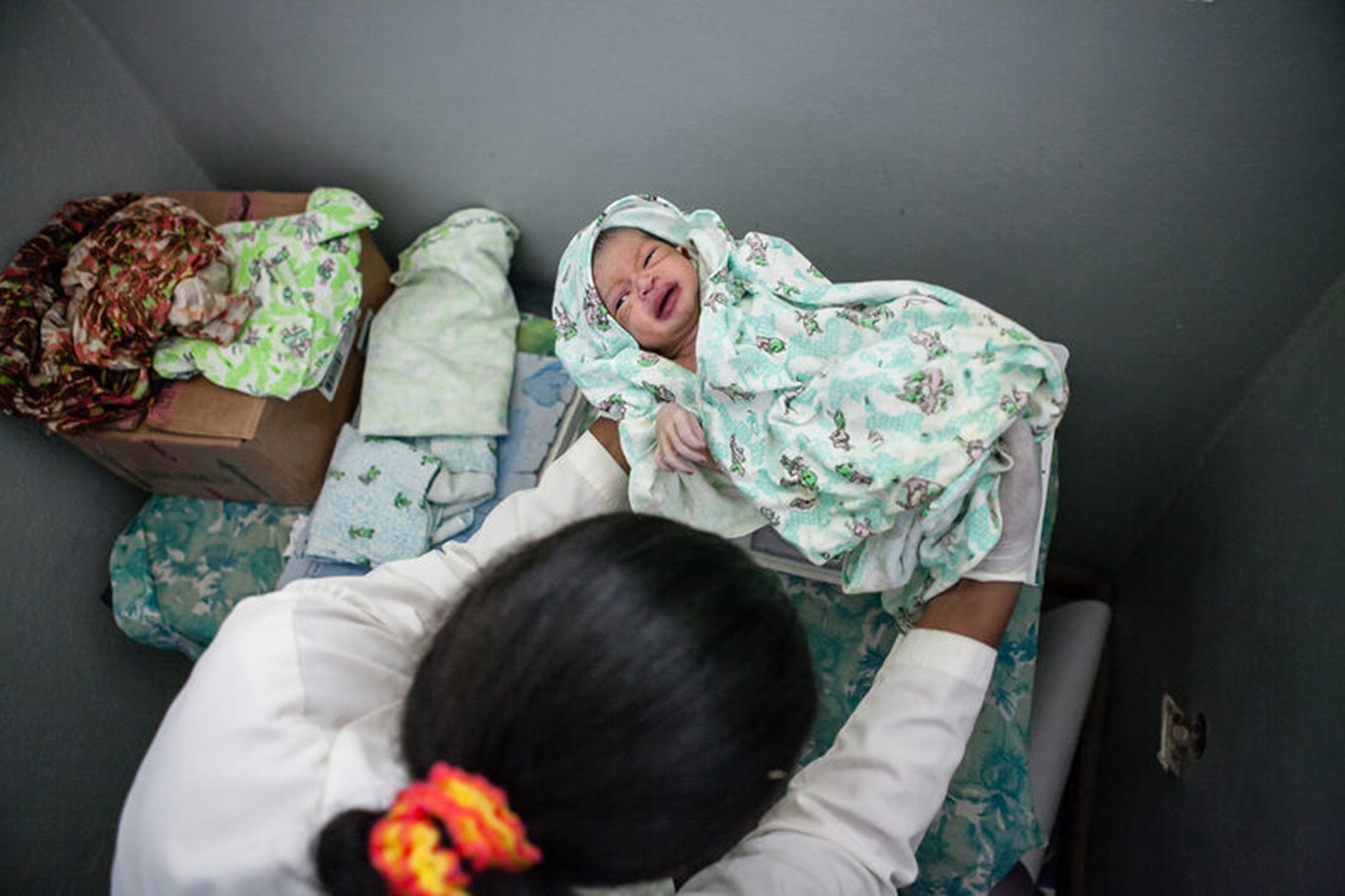
Mulu Agdo gives birth in a health facility in Ethiopia.

Demanding the right to quality care

In Kenya, Martin Onyango (Centre for Reproductive Rights) thinks that antenatal care needs to be strengthened, and women should feel empowered to ask for better quality care.

“There needs to be a complaint structure that aligns with maternal healthcare accountability and guaranteed quality of care.

“This way, if care falls below standards, women can understand that it is within their rights to complain and hold their healthcare provider or hospital accountable.”

Martin Onyango, Centre for Reproductive Rights

In Kenya, women often lack clear information on what standard of care they should expect, and do not always know how to report poor treatment or seek accountability when care fails.

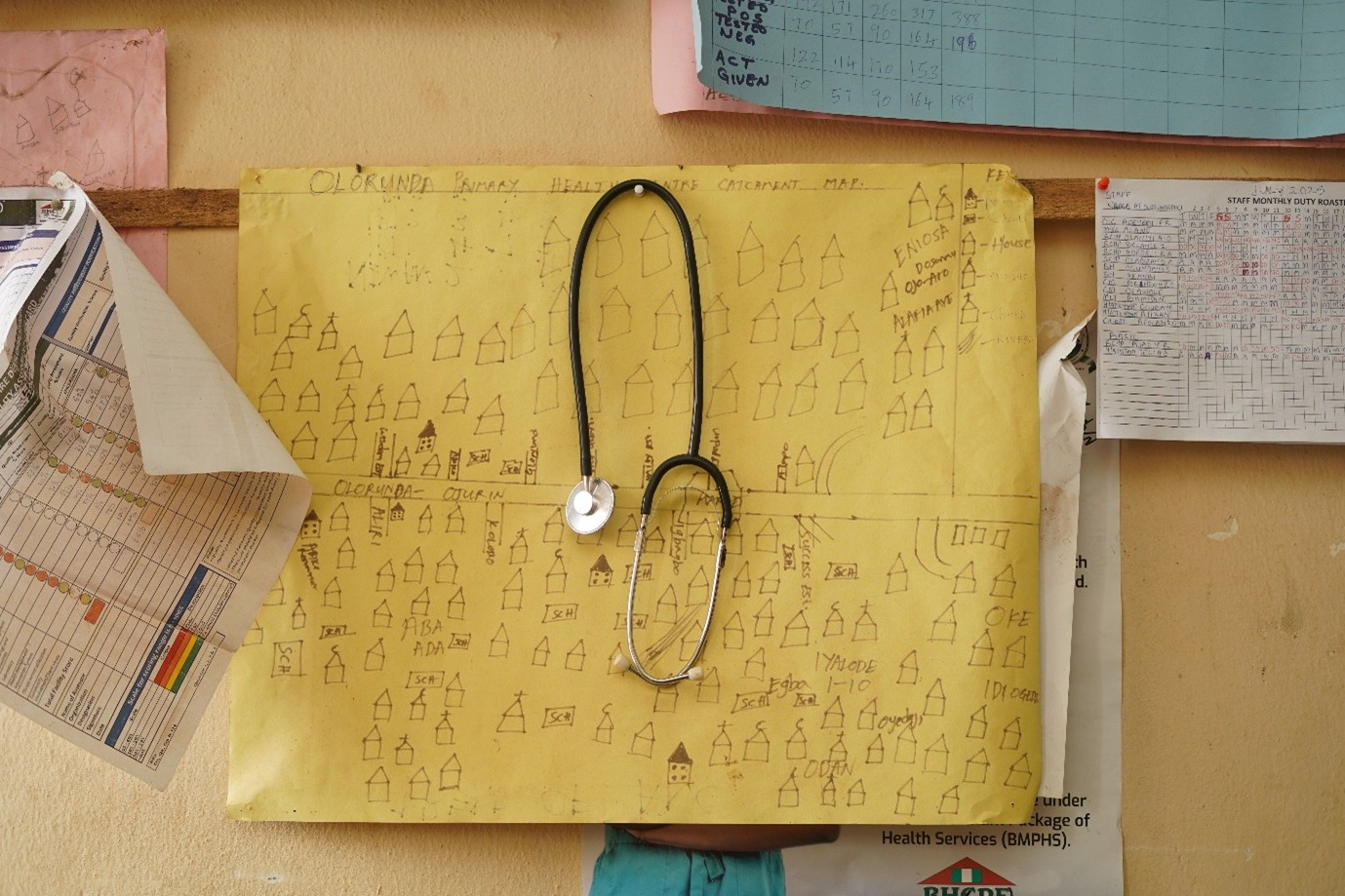
An illustrated map of the local community of Orolunda at a primary health centre.

Accessing maternal healthcare in rural communities

Maternal deaths are most common in rural communities, where access to transport, trained healthcare workers, medicines and medical equipment is limited. In Lagos, Nigeria, the government is building primary healthcare centres to address this.

A salient theme across the CAB was that rural women must travel long distances to reach a hospital due to bad road networks or lack of transport.

“There’s still a high need to focus on where the burden of maternal mortality comes from, which is women giving birth outside of the hospitals for different reasons, including costs, traveling distances or availability of medical care.”

Dr Abiola Akiyode-Afolabi, WARDC

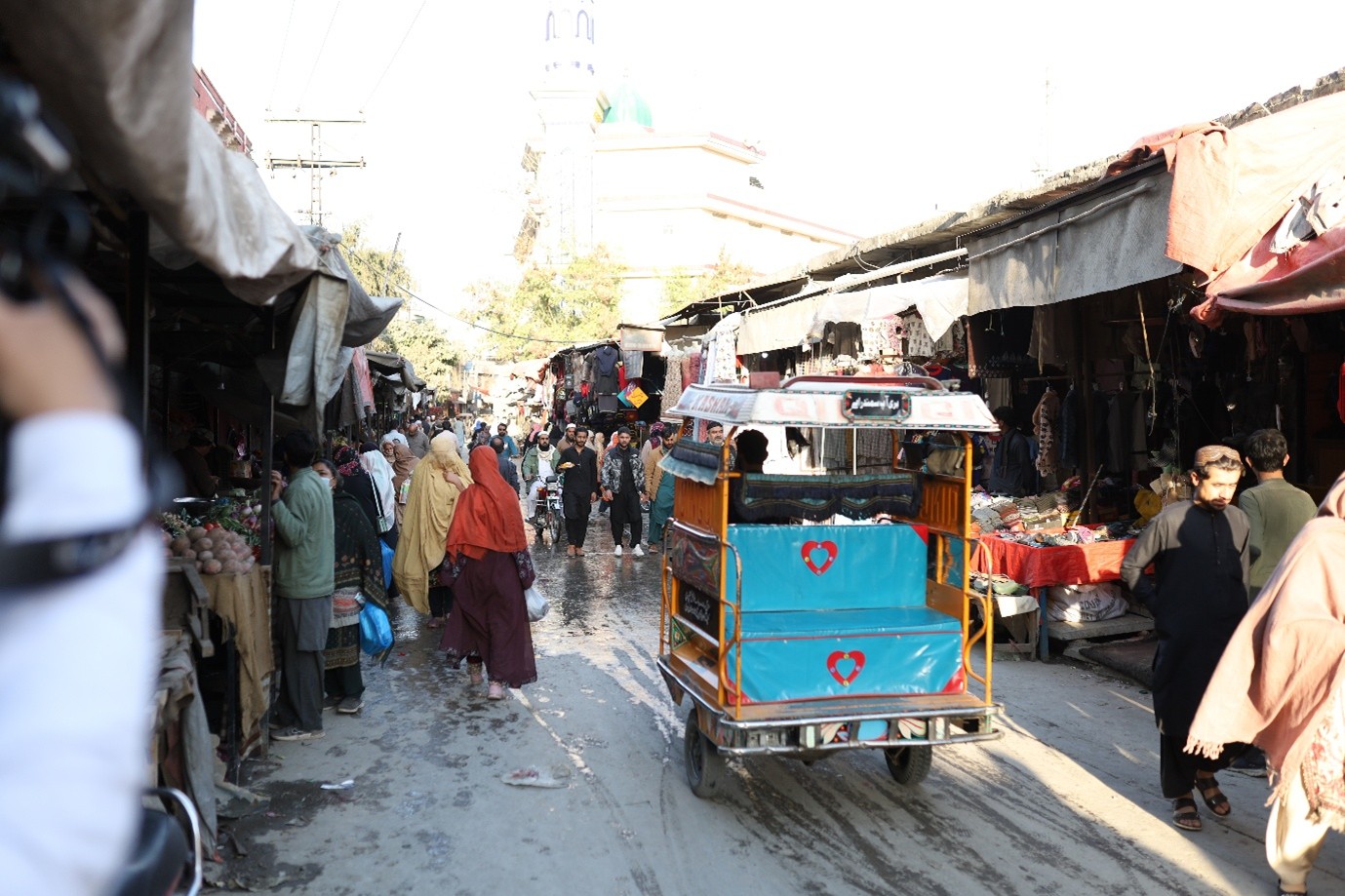
A market in the rural area of Mohra Mando outside Islamabad, Pakistan.

In Pakistan, however, tranexamic acid is sometimes given outside of hospitals. Community midwives, working with lady health workers, can administer it if a woman experiences severe bleeding after childbirth.

“In emergencies, even getting a vein can be difficult. We’ve seen cases where multiple attempts are made. Sometimes we don’t have time.

“Intramuscular tranexamic acid would allow community midwives to respond to women experiencing postpartum haemorrhage much faster” – Assistant Prof. Kiran Javaid, Pakistan National Coordinating Centre

In Tanzania, the Ministry of Health has funded the training of village healthcare workers and given them permission to make hospital referrals when pregnancy complications occur.

“In some villages, there are no ambulances. And cars cannot reach the nearest emergency health clinic, so women depend either on stretchers, motorbikes, or boats.” – Ave Maria Semakafu, human rights advocate

University College Hospital, Ibadan.

TXA is affordable in some countries, but access is not equal

In some settings, the cost of TXA is also a barrier to accessing care.

In Nigeria, the cost of TXA varies widely, ranging from around 1,000 to 3,500 Naira, and can be significantly higher in private hospitals.*

Increasing awareness and creating demand for TXA among frontline birth attendants and communities is essential.

In Pakistan, however, TXA is relatively affordable, but knowledge of the drug remains limited, and there is low demand among community midwives and traditional birth attendants.

*Based on exchange rates as of 5 May 2026, 1,000 Nigerian naira is equivalent to approximately GBP 0.54, while 3,500 naira is around GBP 1.88.

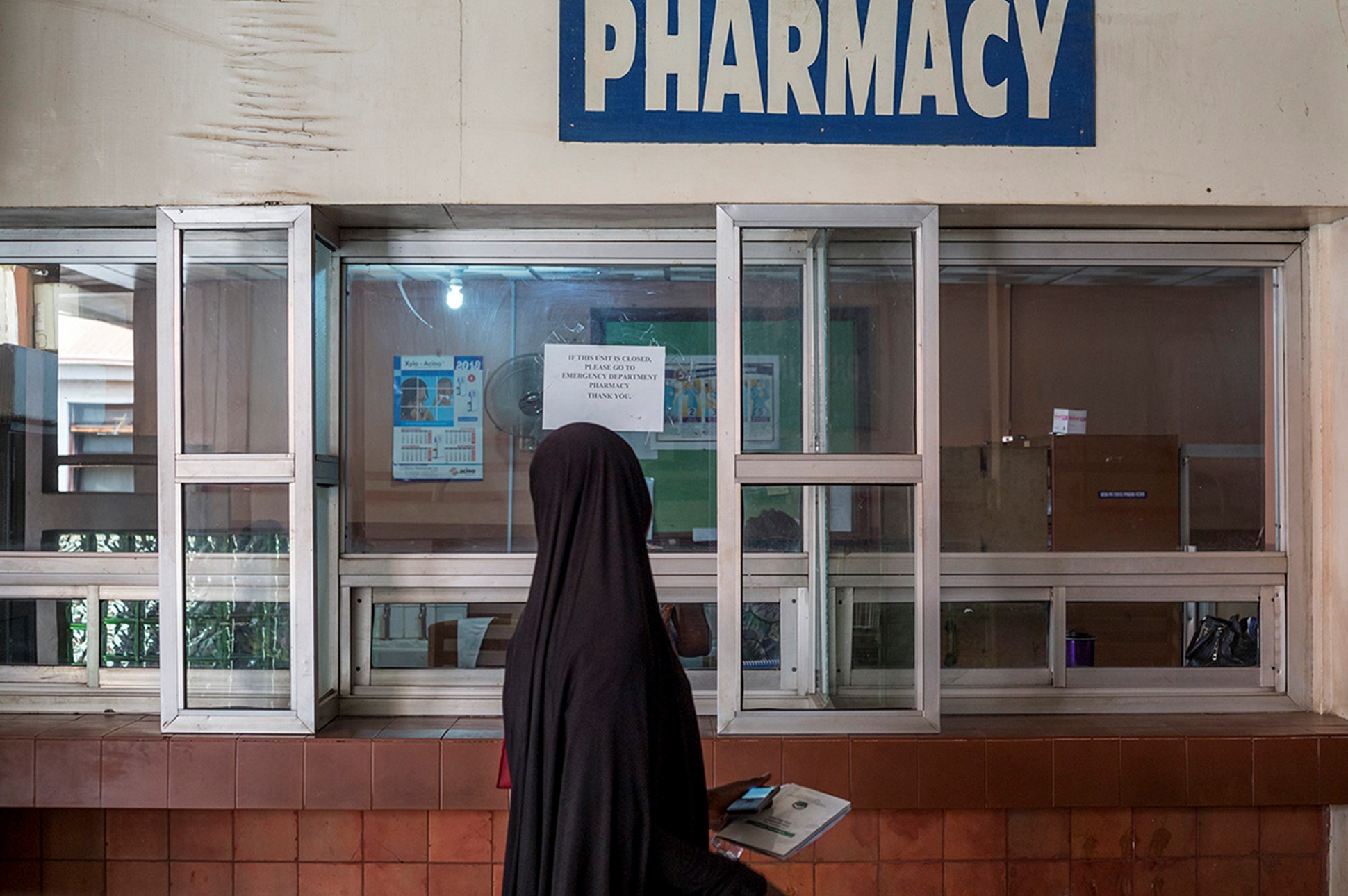
A woman attends a postnatal visit at Adeoyo State Hospital, Nigeria.

By highlighting the barriers to accessing tranexamic acid, community perspectives can help shape how this life-saving treatment can reach more women in the communities most affected by maternal deaths.

The perspectives of the CAB members include:

Nigeria

  • Abiola Akiyode-Afolabi – founding Director of Women Advocates Research and Documentation Center (WARDC)
  • Wemimo Adewuni, Advocacy, Media, and Communications Manager at WARDC


Pakistan

  • Prof. Rizwana Chaudhri – Pakistan National Coordinating Principal Investigator
  • Assistant Prof. Kiran Javaid – Pakistan National Coordinating Centre


Kenya

  • Leticia Mwavishi – Advocate of the High Court of Kenya and a Certified Professional Mediator, Federation of Women Lawyers.
  • Dorah Kiconco Musinguzi – Human Rights Lawyer, Senior Technical Advisor in the Violence against Women Prevention team at Raising Voices
  • Martin Onyango – Senior Legal Adviser, Centre for Reproductive Rights


Tanzania

  • Onesmo Olengurumwa – CEO at Tanzania Human Rights Defenders Coalition
  • Ave Maria Semakafu – Advocate for reproductive and sexual health rights, democracy and gender equality, Tanzania.


Ethiopia

  • Sir Sabaratnam Arulkumaran – former president of the Royal College of Obstetricians and Gynaecologists and the International Federation of Gynaecology and Obstetrics
  • Melkamsera Abera – Health Forum Coordinator, Consortium of Christian Relief and Development Association (CCRDA)
  • Alemnesh Teka – Member, CCRDA
  • Akalu Abraham – Community representative and advocate

Pan-Africa

  • Faizat Badmus-Busari – Regional Programme Manager for the Strategic Initiative for Women in the Horn of Africa (SIHA Network).

About the TRANSFORM project

The TRANSFORM project, funded by Unitaid, aims to expand equitable access to tranexamic acid for women giving birth. TRANSFORM is part of the I’M WOMAN Trial. Through a partnership with Women Advocates Research and Documentation Center (WARDC), the project is engaging local communities in Nigeria to raise awareness about the dangers of postpartum haemorrhage and the benefits of using tranexamic acid to reduce deaths from PPH.